research · personal stuff – From communities to classrooms — hearing care for all children
World Hearing Day 2026
Today is World Hearing Day. Ninety million children globally experience hearing loss, and more than 60% of those cases are preventable. This year's WHO theme puts children at the centre. So, coincidentally, does a children's cartoon — and the latter might end up doing more good in a single episode than a decade of public health campaigns.
Read More ›
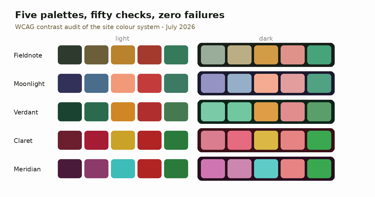
personal stuff – On rebuilding crisly.nl as a single home for work, research, and everything else
A New Digital Ecology
A personal website should hold the whole person. Some notes on why I rebuilt this site from scratch — adding structured research project pages, a runtime theme switcher, and a handful of small design decisions that make the whole thing feel more like a place I want to return to.
Read More ›
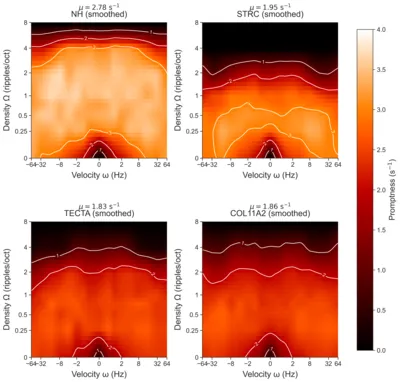
research · hearing-genes – The CRUSH Study: Four Years of Prospective Follow-Up
Hearing Loss and Vestibular Function in Usher Syndrome Type 2A
Our longitudinal CRUSH study shows measurable hearing progression in USH2a beyond presbycusis, stable speech understanding, and an unexpected pattern of subclinical otolith dysfunction — with implications for follow-up, counseling, and cochlear implant timing.
Read More ›
cityescapes – Cycling, Street Art, and Culture
May Holiday Adventures Berlin (improved)
Exploring Berlin by bike during the sunny May holidays—from the iconic East Side Gallery to hidden art hubs and digital wonderlands
Read More ›
research · inner-ear-therapy · clinical-trials – Temporary High-Frequency Conductive Loss, Stable Cochlear Function
Phase 1 Audiological Outcomes of Intratympanic AC102
A first-in-human phase 1 trial of intratympanic AC102 shows only a transient, volume-dependent conductive loss at high frequencies, with preserved bone conduction and otoacoustic emissions.
Read More ›
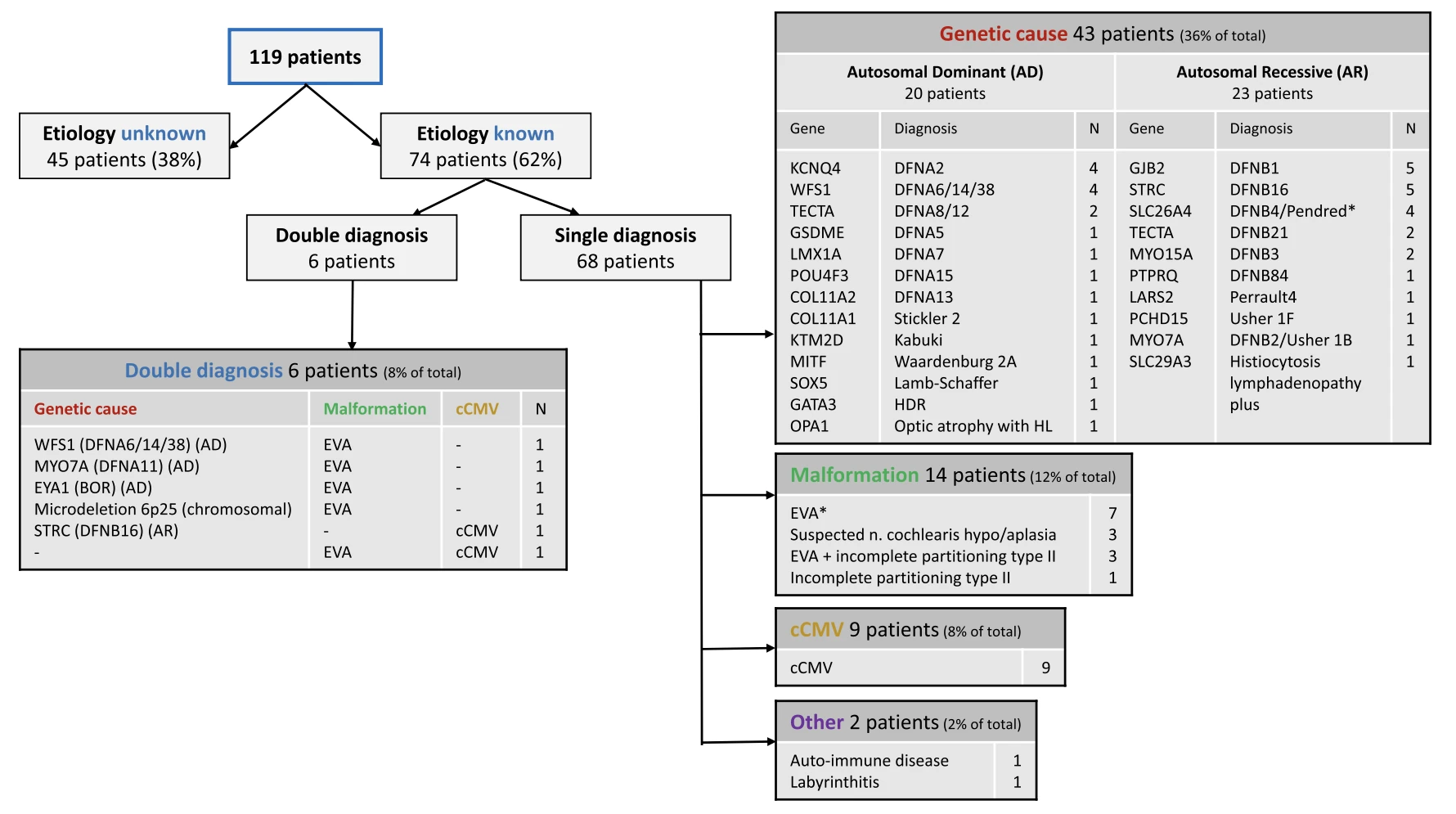
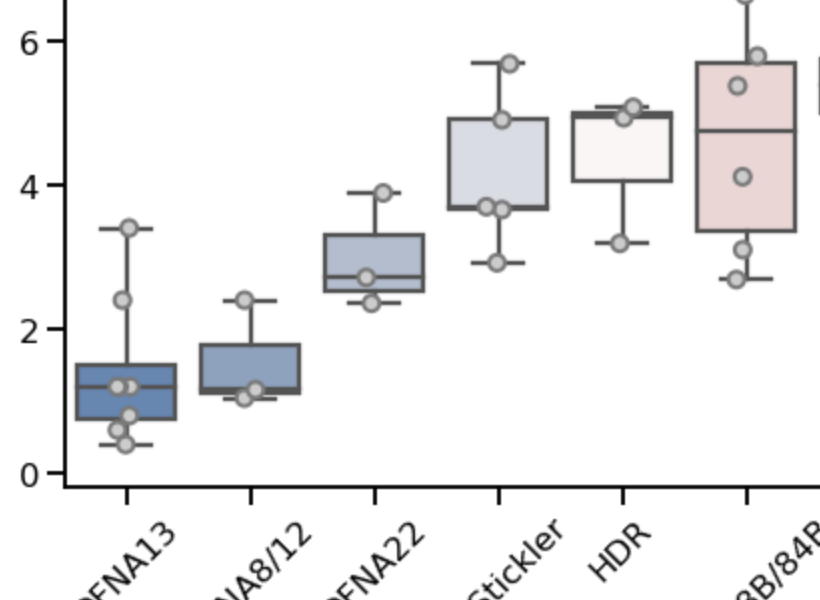
research · cochlear-implants – What We Learned from the Largest Cohort of Genotyped CI Recipients
Genetic Insights into Cochlear Implant Outcomes
New findings from a Dutch cohort reveal that subject-specific factors—not genetic site-of-lesion—best predict CI outcomes.
Read More ›
research · showcase – Revolutionizing Hearing Healthcare through AI and Digital Solutions
Advancing Teleaudiology with AI: Jan-Willem Wasmann's Thesis Defence
A closer look at Jan-Willem Wasmann's PhD thesis on AI-aided teleaudiology and its potential to make hearing care more accessible worldwide.
Read More ›